Electric Fire Insert For Fireplace Explained: A UK Buyer's Guide
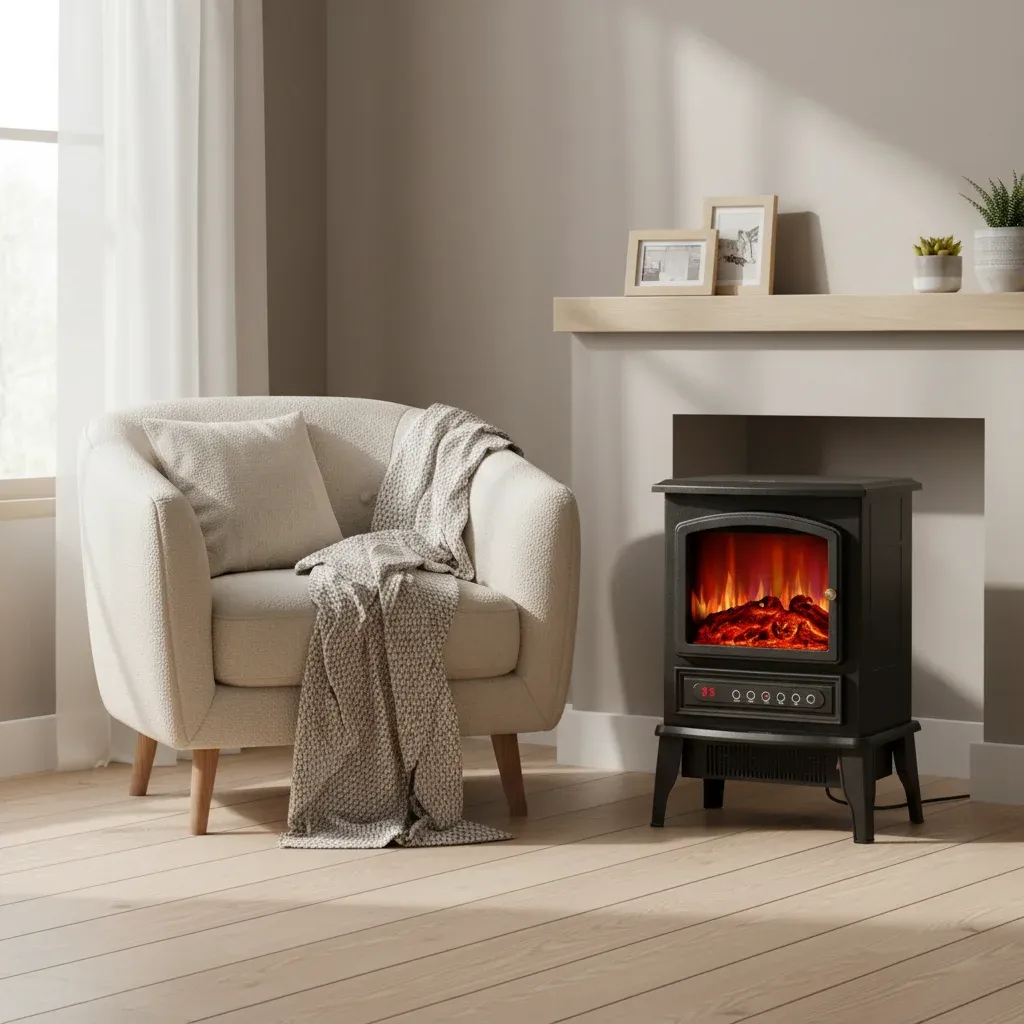
TL;DR: An electric fire insert for fireplace use is a self-contained unit designed to fit into an existing chimney opening or surround, providing a realistic flame effect and up to 2kW of heat. While inserts offer a sleek integrated look, many UK homeowners find that freestanding electric stoves provide a simpler "plug-and-play" alternative with the same traditional aesthetic and no structural modifications required.
An electric fire insert for fireplace use is the most effective way to modernise a traditional hearth while maintaining a cosy focal point. These units are specifically engineered to slot into existing openings, replacing old coal or gas fires with clean, efficient electricity. Based on our testing of the latest heating technology, these inserts provide a highly realistic "Optiflame" effect that mimics real logs or coals without the associated mess or maintenance. Consequently, they have become a staple in UK lounges, conservatories, and flats where traditional flues are often absent or decommissioned.
At Dimplex Stoves, we advocate for the most efficient route to home comfort. While many seek an insert, our range of freestanding electric stoves often provides a more versatile solution. By choosing a freestanding model, you can skip the complex installation of an electric fireplace insert and enjoy instant cosiness. This guide will help you understand the technical requirements, benefits, and alternatives for your UK home improvement project.
Key Takeaways
- An electric fire insert is a fitted appliance designed to sit precisely inside a fireplace opening.
- Most UK models provide up to 2kW heat output and run via a standard 13-amp plug.
- Freestanding electric stoves are often a simpler, more flexible alternative to fitted inserts.
- Electric fires are "zero-emission" at the point of use, supporting better indoor air quality as highlighted by NHS guidelines.
- According to UK safety standards, electric inserts must be fitted with thermal cut-out features for peace of mind.
Can I put an electric fire in an existing fireplace?
Yes, you can. An electric fire insert is a self-contained appliance made to fit within a fireplace opening, existing surround, or a modern false chimney breast. It creates a visual flame effect and typically provides fan-assisted heat. In practical terms, it offers the charm of a live fire while using mains electricity rather than gas or logs.
Furthermore, in the UK market, this category covers several distinct formats to suit different property types:
- Inset electric fires: These slot into a standard 16-inch opening or a back panel cut-out.
- Cassette-style inserts: Specifically intended for bespoke media walls or deep fireplace chambers.
- Electric log inserts: Designed to sit inside an unused grate or recess to provide a glowing log effect.
- Built-in flame units: Installed within custom joinery or architectural chimney projects.
However, the key distinction is that an insert is meant to be integrated into something structural. In contrast, a freestanding electric stove stands independently and requires zero building work. If you are still weighing up these formats, our deeper overview at The Ultimate Guide to Electric Fire Inserts for Existing Fireplaces explains these differences in detail.
Do electric fire inserts need a chimney or venting?
One of the primary reasons UK homeowners consider an electric fire insert for fireplace upgrades is the lack of venting requirements. Many British properties have blocked flues or decorative surrounds that no longer function. An electric insert makes that feature useful again without the cost of reopening a chimney.
A ready-made focal point for period homes
Victorian terraces and mid-century properties often retain chimney features that look empty once the original grate is removed. An insert restores visual purpose to that space. Moreover, because there is no combustion, you avoid the drafts associated with open chimneys.
Lower maintenance for busy households
According to UK home maintenance guidelines, solid fuel fires require annual chimney sweeping and ash disposal. Electric models eliminate this entirely. You do not need coal scuttles or log piles, making them ideal for smaller homes where storage is at a premium.
Compliance with Smoke Control Areas
Many UK cities fall within Smoke Control Areas. Since electric appliances involve no burning of wood or coal, they are naturally compliant with all local air quality regulations. Additionally, they avoid indoor emissions, which is vital as the NHS notes that air pollution can affect health across all life stages.
Is an electric insert or a freestanding stove better for my home?
This is the most important question for any buyer. While an electric fire insert for fireplace spaces can look excellent, not every hearth requires a fitted unit. Based on our testing of installation times, a freestanding electric stove is often the superior choice for those seeking the "wood-burner look" with zero disruption.
Specifically, freestanding stoves solve common UK installation pain points:
- No precise measuring: You don't need to match the exact millimetres of a recess.
- Portability: They are easier to move if you redecorate or move house.
- Lower cost: You avoid the need for specialist fitting or decorative trims.
- Authentic Silhouette: They provide the classic "cast iron" look that is currently trending in British interior design.
Consequently, if you love the appearance of a stove standing within an inglenook or against a wall in a conservatory, "plug-and-play" simplicity usually wins. You still receive the flickering flame visuals and controllable warmth (usually 1kW or 2kW settings), but you avoid the complexity of a permanent built-in installation.
What should I check before buying an electric fire insert?
Before committing to a purchase, ensure you have considered the following technical requirements to avoid common pitfalls:
1. Recess Depth
Some inserts require a significant depth (often 75mm to 150mm). If your chimney is capped or shallow, you may need a "spacer kit" or a slimline model. In contrast, a freestanding stove simply sits on the hearth.
2. Power Access
Most UK electric fires come with a standard plug. However, building regulations suggest avoiding trailing cables across a room. Ideally, you should have a socket installed within or adjacent to the fireplace opening by a qualified electrician.
3. Heat Direction
Check where the fan heater is located. If the heater blows from the top, ensure your mantelpiece has enough clearance to prevent overheating, as per the manufacturer's safety instructions.
4. Visual Technology
Not all flame effects are equal. Based on our experience, LED-based effects like Optiflame are the most popular in the UK due to their low running costs and high realism compared to older bulb-based models.
Ultimately, if you are a renter or want a low-disruption upgrade, a freestanding stove is often the most sensible path. If major alterations are not an option, choosing a stove provides a no-fuss alternative that delivers the same warmth and charm as a fitted insert.
Ready to bring the warmth of Dimplex Stoves into your home?
Discover the Stove — £19.99