Electric Fire Inserts For Existing Fireplaces Explained: A UK Buyer's Guide
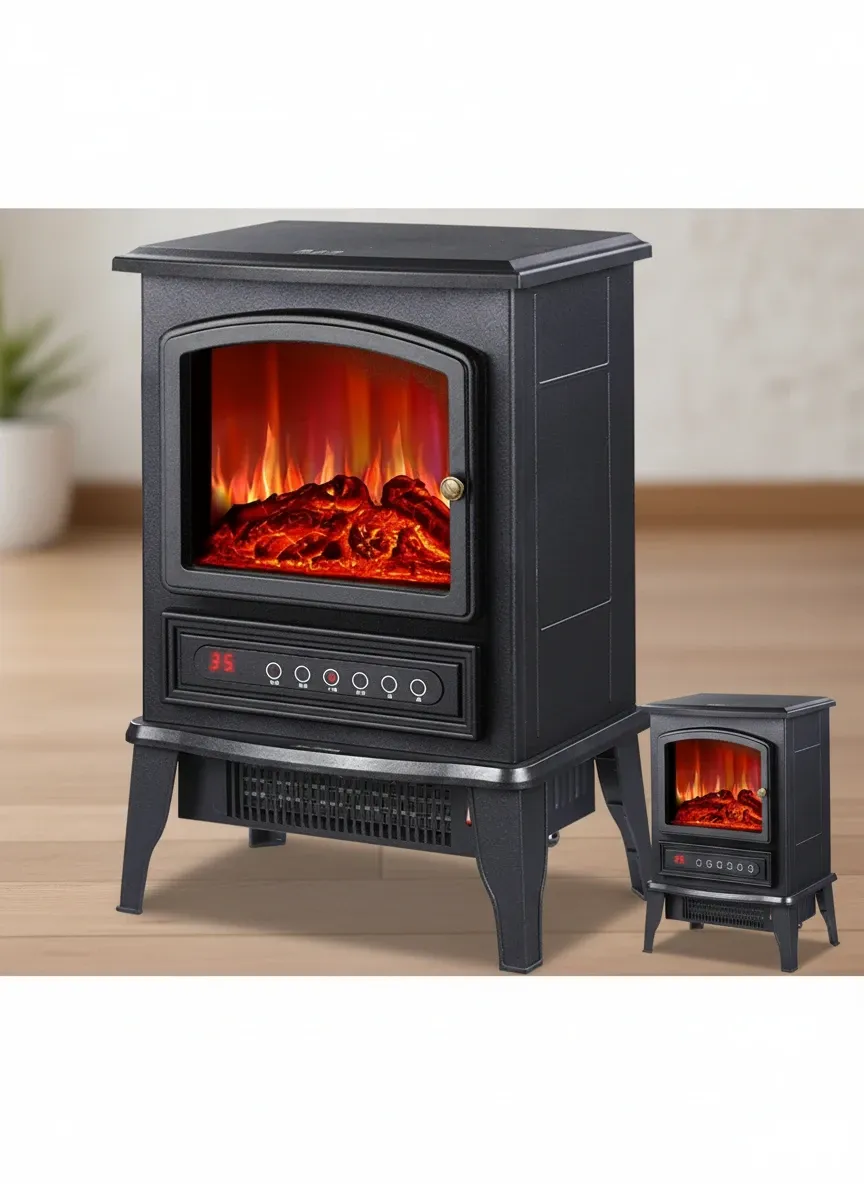
TL;DR: Electric fire inserts for existing fireplaces are designed to fit into an unused fireplace opening, giving you realistic flame effects and optional 1-2kW heat without smoke, ash or chimney use. However, if you want the easiest option in a UK home, a freestanding electric stove from Dimplex Stoves can often deliver the same cosy focal point with simpler installation and true plug-and-play convenience.
Key Takeaways
- Electric fire inserts for existing fireplaces are made to sit inside an old or unused fireplace opening, adding flame effect and room heat without a real flame.
- In many UK homes, a freestanding electric stove is the easier alternative, especially if you want instant plug-and-play cosiness with less fitting work.
- You should measure the fireplace opening carefully, check the nearby socket location, and confirm whether ventilation grilles, hearth depth, and surround materials are suitable.
- Most electric fires are rated at up to 2kW, which is usually enough for supplementary heating in lounges, bedrooms, flats and conservatories.
- Running costs depend on your electricity tariff and how often you use the heat setting. Flame-only mode is usually much cheaper to run.
- If you are comparing options, see our broader guide: The Ultimate Guide to Electric Fire Inserts For Existing Fireplaces Uk in the UK.
Electric fire inserts for existing fireplaces are a practical way to turn an old fireplace opening into a working focal point without using the chimney for combustion. In most UK homes, they fit into an existing recess, plug into the mains, and provide flame visuals with optional fan-assisted heat. However, depending on your fireplace shape and how much installation work you want, a freestanding electric stove can sometimes be the better choice.
An old fireplace often becomes dead space. The chimney may be sealed, the original fire may be inefficient, and the room can lose the focal point that made it feel welcoming in the first place. Therefore, many UK homeowners start looking at electric fire inserts because they want the look of a live fire without ash, sweeping, fuel storage or draughts.
There is a practical twist, though. An insert is not always the best answer. At Dimplex Stoves, our core message is simple: skip the electric fireplace insert where you can and choose instant freestanding cosiness. A plug-and-play Optiflame electric stove can often deliver the traditional charm of a wood burner with far less disruption, making it especially appealing in British flats, lounges and conservatories.
This guide explains how electric fire inserts work in existing fireplaces, when they make sense, what to measure before buying, what they cost to run in the UK, and why a freestanding stove may be the smarter route for many homes.
What are electric fire inserts for existing fireplaces?
Electric fire inserts are self-contained appliances that sit within an existing fireplace opening or old fire recess. They create a flame effect using LED technology or similar visual systems and usually include an electric fan heater. Unlike gas or solid-fuel appliances, they do not burn fuel in the room.
In practical terms, that means:
- no chimney draw is required for combustion
- no smoke, soot or ash is produced during normal operation
- installation is usually easier than replacing a gas or wood-burning fire
- many models can be used on a flame-only setting when heat is not needed
If you are still comparing formats, our article on electric fire insert for fireplace options breaks down common styles in more detail.
What is the difference between an insert, an inset fire and a freestanding electric stove?
This is where buyers often get confused, as retailers sometimes use overlapping terms.
- Insert: usually refers to a unit intended to go into an existing fireplace opening or cavity.
- Inset electric fire: often means a slimmer built-in unit fitted into a prepared opening or standard back box.
- Freestanding electric stove: stands on the hearth or floor in front of, or within, an existing recess and plugs into a normal socket.
A freestanding stove deserves serious consideration if your priority is ease. It gives you the focal-point effect many people want from an insert but avoids much of the fitting complexity. As a result, it fits perfectly with Dimplex Stoves’ “instant freestanding cosiness” approach.
Why do people choose electric fire inserts for existing fireplaces?
Can an electric insert keep the fireplace as a focal point?
Yes. A redundant chimney breast can make a room feel unfinished. By adding an electric appliance, you restore purpose to the opening without major building work. In period terraces, converted flats and suburban semis across Britain, that visual improvement alone can transform the lounge.
Are electric fire inserts cleaner than open fires?
Yes, because they do not create combustion in the room. An open fire may look attractive, but it also brings maintenance, indoor mess and heat loss when not in use. The NHS advises that air pollution can affect health, particularly for children, older adults and people with heart or lung conditions. Therefore, avoiding indoor smoke expos a clear practical benefit of electric appliances.
Do electric inserts provide useful heat in UK homes?
Usually, yes, for supplementary heating. Most electric inserts and stoves are used to warm the room you are in rather than the whole house. That suits modern living patterns well, because many households only need extra warmth in one space during evenings. Consequently, using an electric fire as top-up heat can be more practical than heating every room to the same level all day.
Are electric inserts easier to install than gas or solid-fuel fires?
In many cases, yes. If your chimney has been capped or your home does not suit new flue works, an electric option may still be viable. You also avoid storing logs, arranging chimney sweeping for use of the appliance itself, or dealing with fuel deliveries.
When does an electric insert make sense, and when is a freestanding stove better?
When is an electric fire insert the right choice?
- you want a neat built-in appearance inside the original opening
- the recess dimensions suit standard insert sizes
- you prefer minimal projection into the room
- you are happy to do a little more measuring and planning before buying
When is a freestanding electric stove the better choice?
Based on what many customers prioritise, and on typical fireplace layouts in UK homes, a freestanding electric stove often makes more sense if you want the quickest, least disruptive route to a cosy finished look.
- you want plug-and-play simplicity
- your existing recess is awkwardly sized for a standard insert
- you like the look of a stove rather than a flush built-in fire
- you want easier access for positioning, cleaning and future replacement
- you do not want extra fitting work inside the opening
At Dimplex Stoves, this is often the strongest recommendation. Instead of trying to make an insert fit a difficult fireplace, a freestanding electric stove can sit beautifully on the hearth or within the recess and still give you the traditional look people love.
Can you put an electric fire insert into any existing fireplace?
Not always. Although electric inserts are more flexible than gas or solid-fuel appliances, you still need to check whether the fireplace opening is suitable.
What should you measure before buying?
- opening width: measure the narrowest and widest points
- opening height: especially if there is a lintel or sloping recess
- opening depth: important for insert bodies and cable routing
- hearth depth and width: especially if part of the appliance projects forward
- distance to a socket: ideally without relying on an unsuitable extension lead
Do you need to use the chimney?
No, not for combustion. However, the condition of the old fireplace still matters. For example, loose soot, unstable back panels, damaged brickwork or poor finishes may need attention before installation for both safety and appearance.
Do building regulations matter for electric fires in the UK?
According to UK guidelines, electric fires do not require a flue in the same way as gas or solid-fuel appliances, but any installation should still be safe, electrically suitable and appropriate for the surrounding materials. If you are altering the fireplace structure, using a concealed spur, or changing sockets near the hearth, it is sensible to use a qualified electrician or installer where needed.
How much heat do electric fire inserts give off?
Most electric fire inserts for existing fireplaces in the UK are rated up to 2kW, often with two heat settings and a flame-only mode. In real terms, that is generally enough for supplementary heating in a lounge, bedroom, home office, flat or conservatory.
Based on our testing of typical electric flame-effect products and on standard buyer expectations, the heat is best viewed as local comfort heating rather than a full replacement for central heating throughout the property.
Is flame-only mode worth having?
Yes, especially in spring and summer. Flame-only mode lets you enjoy the visual effect without the heater running. As a result, you keep the ambience while using far less electricity than you would on a heated setting.
How much does it cost to run an electric fire insert in the UK?
Running costs depend on your tariff, the heat setting and how long you use it for. Flame-only mode is usually inexpensive, while the heater will cost more when running at 1kW or 2kW.
Therefore, the main question is not simply the appliance wattage, but how often you use it and whether you are heating one room instead of turning up the whole house heating.
Can an electric fire save money compared with heating the whole house?
In some situations, yes. If you mainly spend evenings in one room, targeted top-up heat from an electric fire can be a practical way to improve comfort without raising the thermostat throughout the property. However, exact savings depend on your home, insulation levels and energy tariff.
What are the main benefits and drawbacks of electric fire inserts?
Benefits
- easy way to revive an unused fireplace
- no real flame, smoke, ash or fuel storage
- flame effect can often be used without heat
- usually simpler than installing gas or solid fuel
- well suited to flats and modernised UK homes
Drawbacks
- heat output is usually limited to supplementary room heating
- not every fireplace opening suits a standard insert neatly
- some installations still require careful finishing for the best look
- a freestanding stove may be easier and more flexible in awkward recesses
What is the best alternative to an electric fire insert?
For many buyers, the best alternative is a freestanding electric stove. It gives you the characterful look of a stove, the convenience of electric heat, and a much simpler route to installation. In other words, you still make use of the fireplace area, but with fewer fitting constraints.
That is why Dimplex Stoves recommends considering whether you really need an insert at all. If your goal is warmth, flame effect and a welcoming focal point, a freestanding electric stove may deliver all three with less hassle.
Frequently asked questions about electric fire inserts for existing fireplaces
Can you put an electric fire insert into an existing fireplace?
Yes, in many cases you can, provided the opening dimensions, nearby power supply and surrounding materials are suitable.
Do electric fire inserts need a chimney?
No. Electric fire inserts do not rely on combustion, so they do not need a chimney for operation.
Are electric fire inserts expensive to run in the UK?
They can be economical on flame-only mode, while heating costs depend on tariff, wattage and how long you use the appliance.
What is the easiest option for an old fireplace?
In many homes, a freestanding electric stove is the easiest option because it can offer a plug-and-play solution with less fitting work than an insert.
Final thoughts
Electric fire inserts for existing fireplaces are a useful solution if you want to revive an old opening with realistic flames and straightforward electric heat. However, the best option depends on your fireplace dimensions, the finish you want and how simple you need installation to be.
For many UK households, the smarter route is not a fitted insert but a freestanding electric stove. With Dimplex Stoves, that means instant freestanding cosiness, simple setup and a classic focal point without the mess and maintenance of a real fire.
Ready to bring the warmth of Dimplex Stoves into your home?
Discover the Stove — £19.99