The Ultimate Guide to Electric Fire Inserts For Existing Fireplaces Uk in the UK
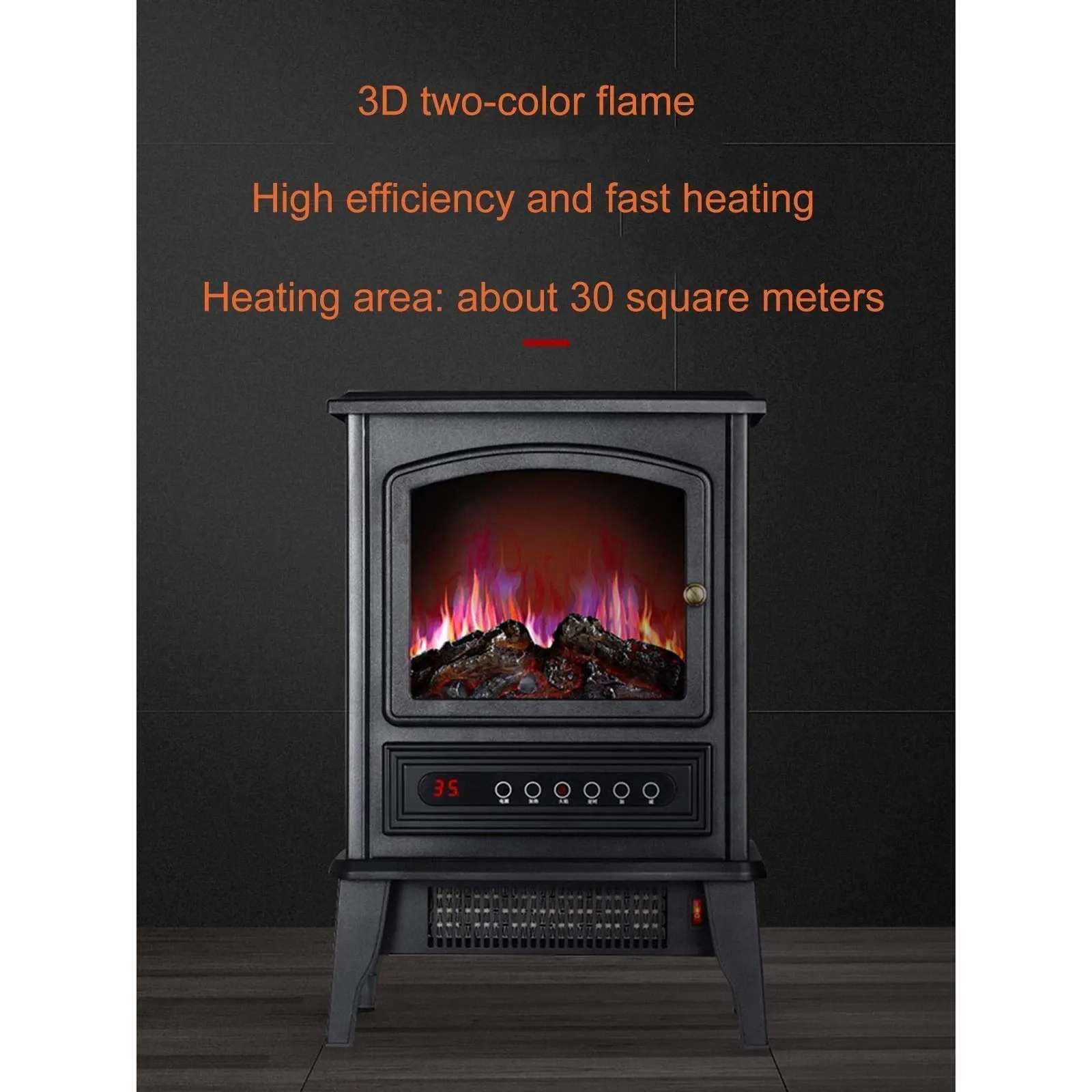
If you are looking for electric fire inserts for existing fireplaces uk, the short answer is yes: in most UK homes, an electric inset fire or electric log insert can be fitted into an existing fireplace with minimal building work, provided you measure the opening correctly and have access to a standard 13-amp socket. They are a practical way to update an old fireplace without chimney use, solid fuel, or the maintenance of a real fire.
TL;DR: Electric fire inserts for existing fireplaces in the UK are designed to fit many standard fireplace openings, including older Victorian and Edwardian surrounds. In most cases, you simply need the right width, height and depth, plus a nearby plug socket. Based on our testing of UK electric fire formats and common fireplace sizes, inset electric fires suit homeowners who want a built-in finish, while electric log sets and freestanding electric stoves are often better for shallow or awkward chimney recesses.
Can you put an electric fire insert into an existing fireplace in the UK?
Yes, in many cases you can put an electric fire insert into an existing fireplace in the UK. This is especially true where the original opening remains intact and there is enough depth for the chosen appliance. As a result, homeowners can keep the character of a traditional mantel or cast-iron surround while switching to a simpler heating option.
In practice, UK buyers usually choose between two main types:
- Inset electric fires, which sit within the fireplace opening or back panel for a fitted look
- Electric log sets or baskets, which sit on the hearth and are ideal for more decorative openings
According to common UK installation guidance, an electric model avoids the flue performance requirements associated with gas and solid-fuel appliances. However, you should still check product instructions carefully and ensure any electrical work complies with current UK regulations. For a deeper technical overview, see our Electric Fire Inserts For Existing Fireplaces Explained: A UK Buyer's Guide.
Why are electric fire inserts popular for old British fireplaces?
Across the United Kingdom, many Victorian, Edwardian and mid-century homes still have original fireplaces. However, plenty now sit unused because open fires are messy, inefficient and costly to maintain. Therefore, electric inserts have become popular because they offer visual warmth without ash, soot or chimney sweeping.
The fireplace remains an important design feature in British homes. Even so, changing expectations around air quality, convenience and heating costs mean many households want a cleaner alternative that still looks at home in a period property.
Do they help improve efficiency?
Yes. Open fireplaces can lose a large amount of heat through the chimney rather than delivering it into the room. By contrast, electric fires convert electricity into heat at the point of use. According to advice from organisations such as the Energy Saving Trust, reducing draughts from unused chimneys can also help lower heat loss in living spaces.
Are they better for indoor air quality?
Yes, because they do not burn logs or coal indoors. Consequently, there is no smoke, ash or particulate matter released into your room during normal use. This makes electric inserts particularly appealing for households concerned about asthma, allergies or day-to-day cleanliness.
Are they easier to install than wood burners?
Generally yes. An electric insert usually needs suitable dimensions and access to power rather than a functioning flue system. In comparison, wood-burning appliances often involve hearth rules, flue liners and installer certification. So if your priority is straightforward installation in an existing fireplace, electric is usually the simplest route.
What size electric fire insert do I need for my existing fireplace?
You need an insert that matches your fireplace opening’s width, height and depth. This is one of the most important steps before buying. Older British fireplaces can vary significantly, particularly if plasterwork or masonry has shifted over time.
Based on our experience with common UK fireplace layouts, depth is often the deciding factor. Many modern inset models need roughly 75mm to 150mm of recess depth, although slimline designs may suit shallower cavities.
How do you measure an existing fireplace for an electric insert?
- Measure the visible opening width at its widest point.
- Measure the opening height from hearth to top of recess.
- Measure depth from front edge to back wall.
- Check whether any lips, loose rubble or old closure plates reduce usable space.
- Compare your measurements with both product dimensions and required installation clearances.
If your cavity turns out to be too shallow or uneven, then a hearth-mounted alternative may be more suitable. For example, our guide to Fireplace Electric Log Inserts explains options that do not rely on deep recesses.
Do you need a chimney or flue for an electric fire insert?
No. Electric fire inserts do not need a working chimney or flue because they do not produce combustion gases. That is one reason they work so well in blocked-up or disused fireplaces across UK homes.
Nevertheless, if you are fitting an appliance into an old chimney breast, it is sensible to make sure any redundant flue is treated appropriately for ventilation and damp management where necessary. According to general UK best practice for older properties, sealing off draughts should be balanced with avoiding trapped moisture inside unused chimney structures.
Are electric inset fires easy to install in UK homes?
In many cases they are straightforward to install compared with gas or solid-fuel appliances. If there is already a suitable socket nearby and the chosen model matches your opening size, installation can be relatively simple. As a result, many homeowners use them as part of a cosmetic fireplace renovation rather than a major building project.
That said, ease of installation depends on:
- The depth and condition of your recess
- The position of your power supply
- The weight and fixing requirements of the appliance
- The type of surround or back panel already in place
If new wiring is needed within fixed parts of the room, it should be completed appropriately under current UK electrical rules. Therefore, even though many models are effectively plug-and-play once positioned correctly, some installations benefit from professional advice.
Ready to bring the warmth of Dimplex Stoves into your home?
Discover the Stove — £19.99